
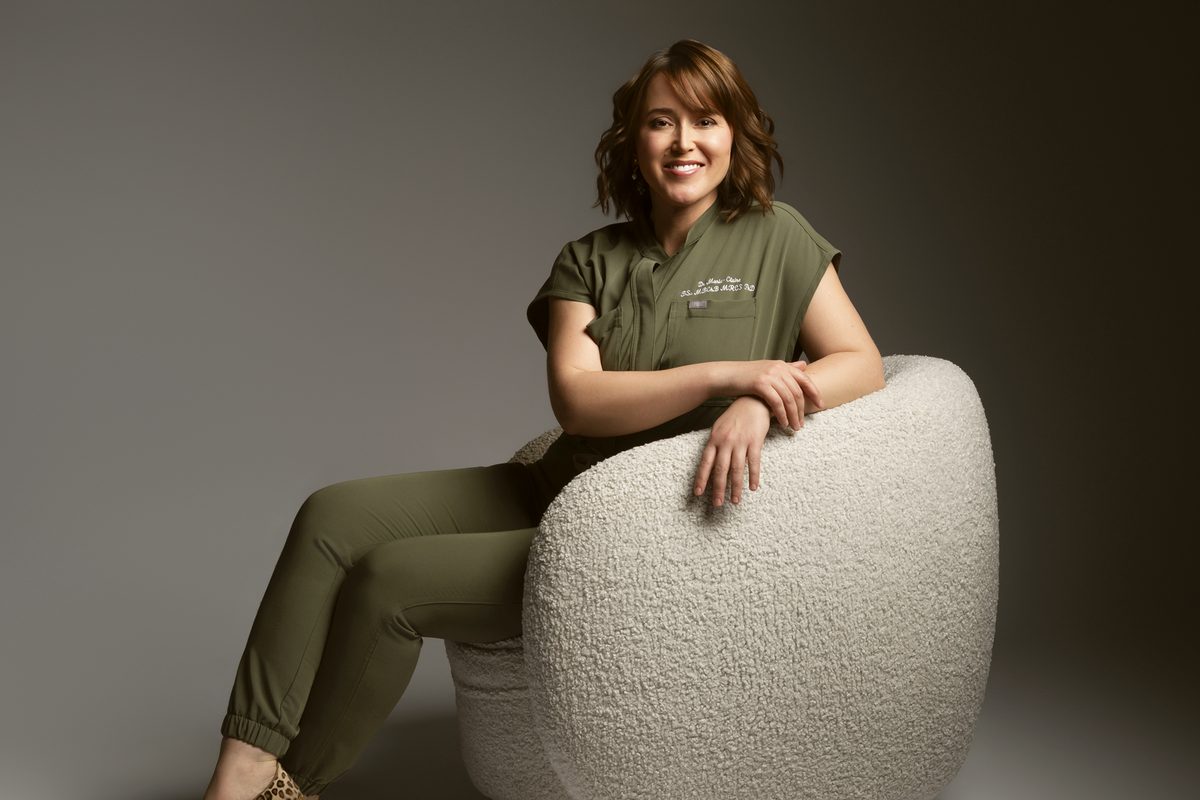
Most first appointments in aesthetic medicine last fifteen minutes and end with a treatment. Mine last an hour and usually end with nothing more than a conversation, a set of images and a written plan. That is deliberate, and this article explains exactly what happens in that hour, so you can decide whether it is right for you before you book.
Why an assessment comes before any treatment
Nothing about the face works in one layer. What you notice in the mirror, a hollow that was not there, a fold that deepened, skin that sits differently, is usually the surface result of something happening in the structures underneath. If a plan only responds to what is visible on the surface, it treats symptoms without understanding causes.
An assessment reverses that order. First we work out what is actually changing and why. Only then does it make sense to talk about whether treatment is appropriate at all, and if so, in what order.
The assessment covers the face, the neck and the hands. Those three are usually considered separately, which never made much sense to me: they belong to the same person, they are the parts other people see, and they rarely change at the same rate. Looking at one and ignoring the other two gives you half a picture.
The four layers
During your assessment we look at each layer in turn, because each one behaves differently:
Bone
The scaffold underneath everything. It remodels over time, and changes in the eye sockets, cheekbones and jaw alter how every layer above them sits.
Muscle
Repeated expression and changing muscle tone shift how the face moves and where lines form and settle. The neck is largely a muscle story.
Fat
Deep and superficial fat compartments lose and shift volume at different rates, changing contour and support. This is also where significant weight change shows first.
Skin
Collagen and elastin decline changes texture, firmness and tone. On the hands and the neck the skin is thinner to begin with, so it tells on you earlier.
This is the framework I taught to doctors and postgraduate medical trainees when I lectured in surgical anatomy, and it is the same framework your own assessment is built on. It applies just as well to a hand as it does to a cheek.
What the hour looks like
A proper medical history
We start the way any medical appointment should: your health, your medications, your skin history and what has brought you in. Nothing about this step is rushed, because suitability decisions depend on it.
A structural examination
Next, a systematic examination at rest and in movement, layer by layer, across the face, the neck and the hands. You will hear my reasoning as we go. Patients regularly tell me this is the first time anyone has explained why something is changing rather than simply pointing at where.
Ultrasound, for safety
Ultrasound has one job here and it is a safety job. Blood vessels do not sit in the same place in every person, and some areas carry more risk than others. Where treatment is being considered near one of those areas, ultrasound shows me where the arteries and veins actually run in your anatomy rather than where a textbook average says they should. It is also part of how a blocked vessel is identified and treated in the rare event that one occurs. It is not how the mapping is done.
3D facial mapping
The mapping is photographic, not ultrasound. We finish the examination with standardised three-dimensional photographs, taken from fixed positions in consistent lighting, which build a proper record rather than a snapshot. These images document your genuine starting point, they belong to you, and they let us measure change over time honestly instead of guessing from memory.
A written, staged plan
You leave with a plan in writing: what I found, what I recommend, in what order, and just as importantly, what I do not recommend. If the honest answer is that nothing needs treating yet, the plan says so. Nothing is treated on the day of your assessment, and there is no expectation that you proceed at all.
Who the assessment is for
- ◆You have noticed something changing and want to understand why before doing anything about it
- ◆Your hands or your neck bother you more than your face does, and nobody has taken that seriously
- ◆You are dealing with asymmetry, or with scarring, rather than with age
- ◆Significant weight change has altered how your face sits and you are not sure what to do about it
- ◆You have had treatment elsewhere and want a considered, medical second opinion
- ◆You are planning ahead and want a baseline, a map and a staged plan rather than ad hoc decisions
- ◆You value being told what will not work as much as what will
What it is not
The assessment is not a sales appointment, and it is not a fast track to treatment on the day. Australian regulations limit how specific treatments can be described publicly, which is why you will not find treatment or product names on this website. Specific options, their suitability for you, their risks and their costs are discussed properly in consultation, where that conversation belongs.
This article is general information, not medical advice. Suitability for any treatment can only be determined in a consultation. All medical and cosmetic procedures carry risk, and individual results vary.